 blog
Emergency Roof Repair Services: What to Do Now
Table of Contents
- What to Do When Your Roof Is Damaged
- Emergency Roof Tarping and Temporary Protection
- Emergency Roof Repair Cost and What Affects Pricing
- Temporary Roof Repair Solutions for Homeowners
- Homeowners Insurance and Roof Damage Claims
- Storm Damage Assessment and Roof Inspection
- Roof Repair Versus Roof Replacement
- Getting Professional Emergency Roof Repair
- Frequently Asked Questions
Last Updated: October 8, 2026
What to Do When Your Roof Is Damaged
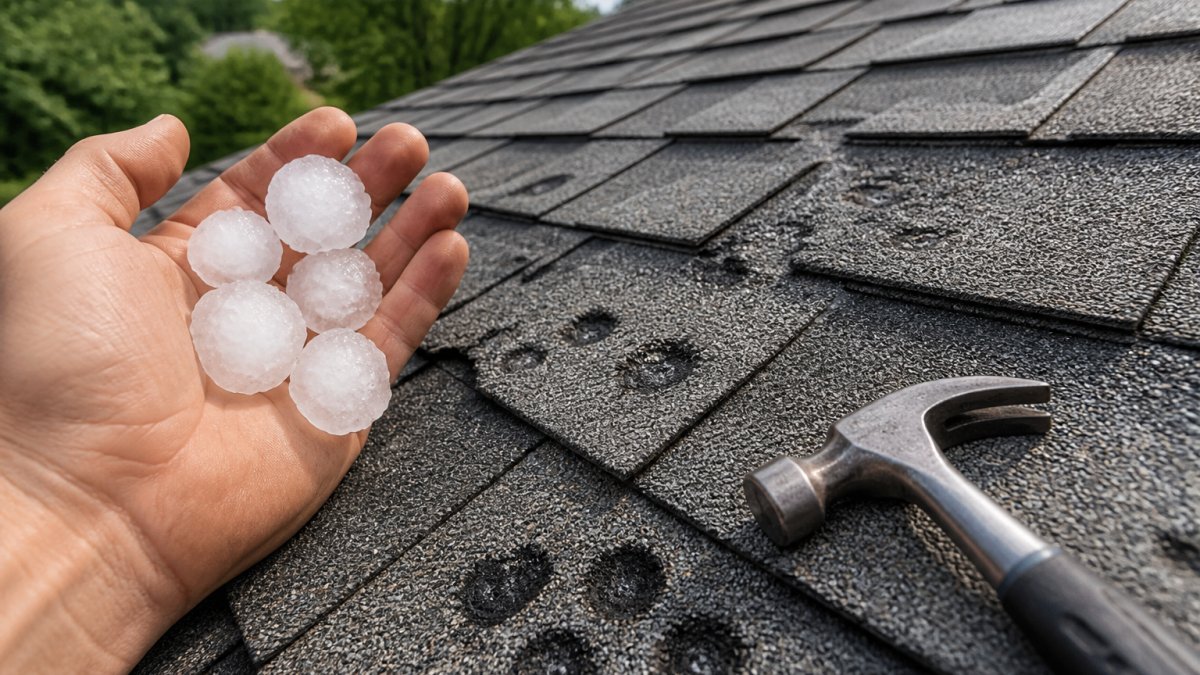
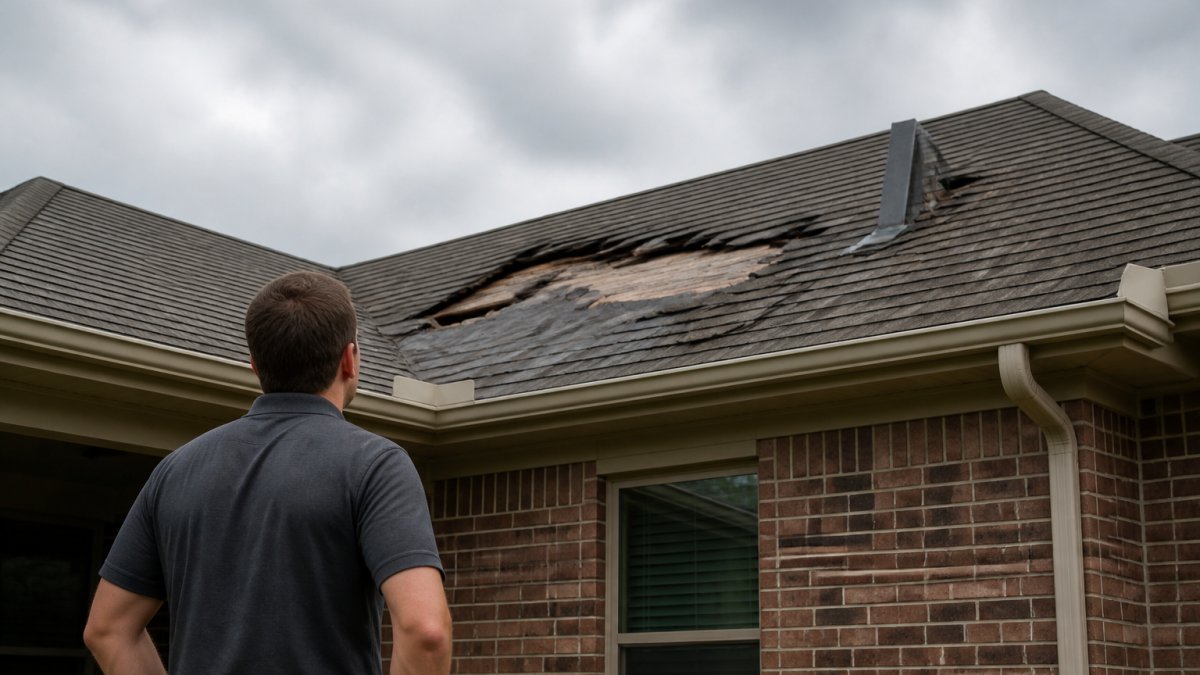
When a storm hits your home, your roof often takes the brunt of the damage. Hail, wind, and falling debris can cause immediate harm that requires urgent attention. At A-Group Capital Roofing, we understand that emergency roof repair decisions need to happen fast.
The first hours after roof damage occur are critical. Your home's interior is exposed to water intrusion, which can spread quickly through walls, insulation, and ceilings. Acting decisively protects your property and strengthens your insurance claim later.
Immediate safety steps
Your safety comes before anything else. Do not attempt to climb onto your roof or inspect damage from a ladder if weather conditions are still dangerous. Wait until the storm passes and conditions stabilize.
Once it's safe, check these areas from the ground: look for missing shingles, visible holes, or debris lodged in gutters.
If your roof is severely damaged and water is actively leaking inside, evacuate the affected rooms. Move furniture, electronics, and personal items away from the damaged area.
Document the damage
Photograph everything. Take wide shots showing the overall damage pattern, then close-ups of specific problem areas. Capture images of interior water stains, wet insulation, and damaged drywall. Include photos showing the date or timestamp if your phone camera adds them automatically.
Write down what happened: the date of the storm, wind speed if you know it, what type of damage you see, and which areas of your home are affected. This narrative helps your insurance adjuster understand the scope.
Save all photos, videos, and written notes in one place. Email copies to yourself so they're backed up. These documents are your foundation for the insurance claim process and will be essential when you contact a professional emergency roof repair contractor.
Emergency Roof Tarping and Temporary Protection
After documenting damage, your next priority is preventing additional water intrusion. A temporary protective measure buys you time while you arrange permanent repairs.
Why temporary protection matters
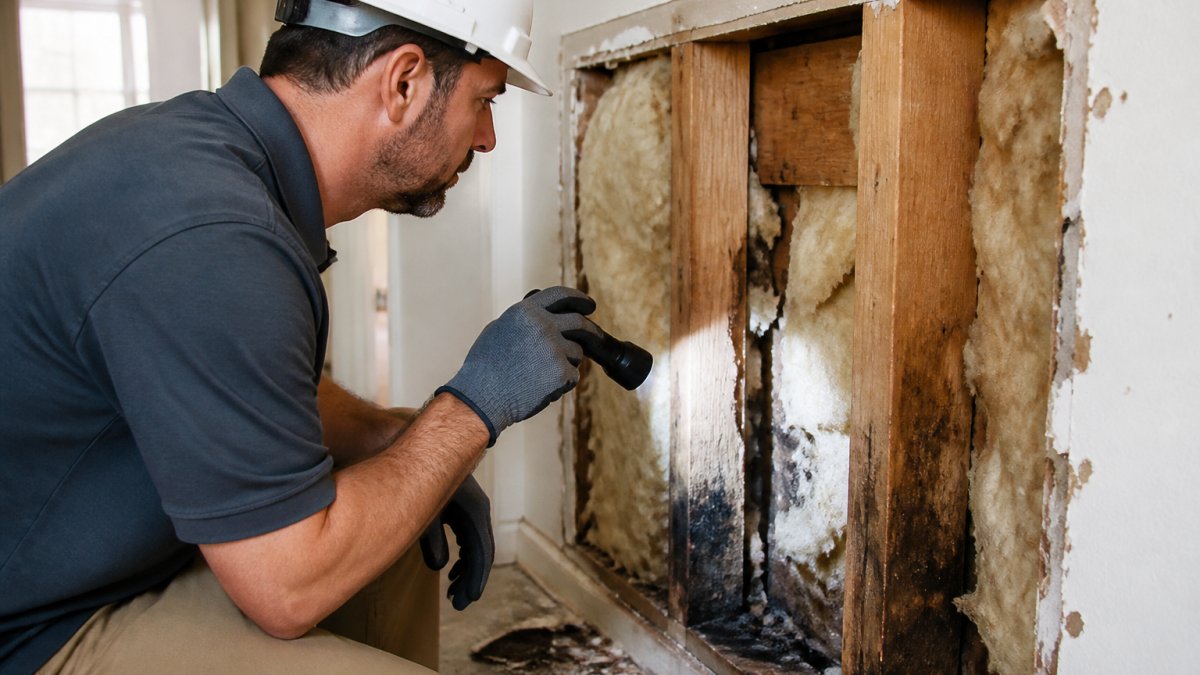
Water damage spreads rapidly. Within hours of exposure, moisture can penetrate insulation, weaken structural components, and create conditions for mold growth. A temporary barrier, typically a heavy-duty tarp, stops rain and wind from causing additional harm while you wait for professional help.
Temporary protection also protects your claim. Insurance adjusters expect homeowners to take reasonable steps to prevent further damage. Leaving a hole in your roof unprotected can be viewed as negligence, potentially affecting your coverage. A tarped roof demonstrates you acted responsibly.
What professional tarping includes
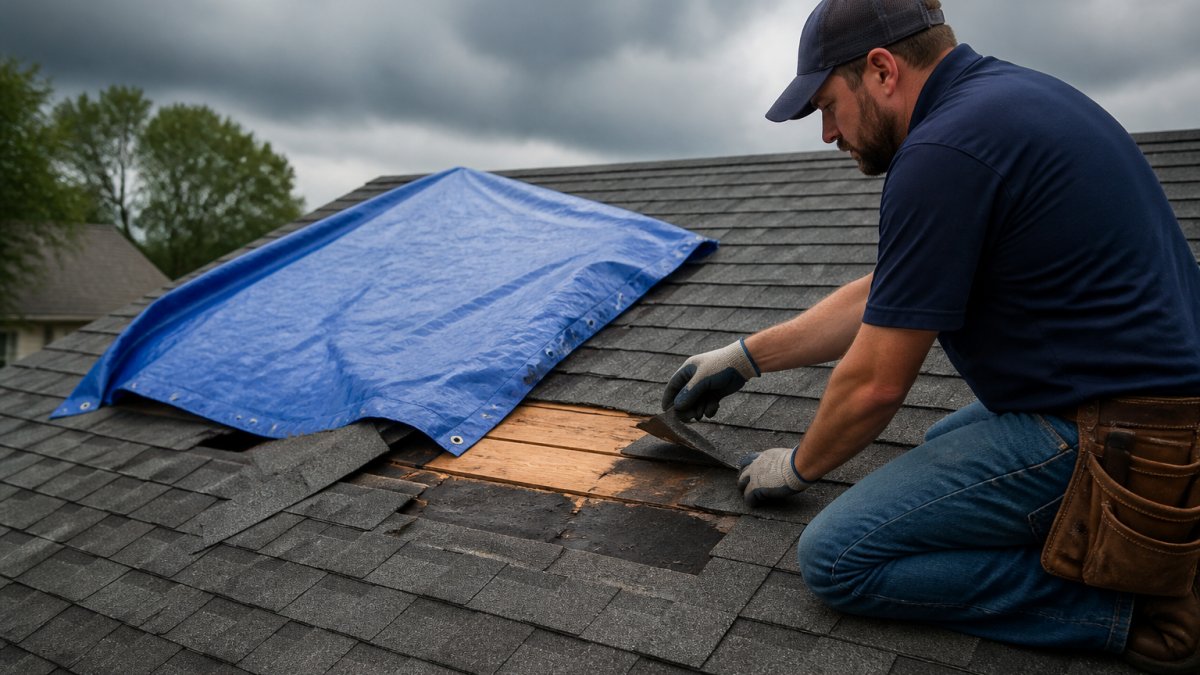
Professional emergency roof tarping is more sophisticated than a DIY approach. Contractors secure tarps with fasteners that won't damage your roof further. They ensure the tarp is properly angled to shed water, not collect it. They also inspect the area around the damage to identify secondary vulnerabilities.
When you call A-Group Capital Roofing for emergency roof repair services, our team can arrange same-day tarping if you contact us early enough. We assess the damage, determine tarp placement, and secure it properly.
Professional tarping usually remains in place for a few days to a few weeks, depending on your insurance timeline and repair schedule. It's a temporary measure, not a permanent fix, but it's an essential one.
Emergency Roof Repair Cost and What Affects Pricing
Understanding what influences repair costs helps you evaluate estimates and make informed decisions about your roof's future.
Several factors determine the cost of emergency roof repair. The extent of damage is the primary driver: a few missing shingles costs far less than structural damage affecting multiple roof sections.
Labor costs depend on how quickly the work is completed. Emergency same-day or after-hours service typically carries a premium compared to standard business-hours repairs.
Insurance coverage changes the equation significantly. If your claim is approved, your insurance may cover most or all repair costs after you meet your deductible.
When you contact A-Group Capital Roofing for an estimate, we provide transparent pricing that breaks down labor, materials, and any emergency service fees.
Temporary Roof Repair Solutions for Homeowners
Some homeowners consider temporary fixes they can attempt themselves. Understanding what's safe and what requires professional help prevents additional damage and injury.
Safe temporary fixes you can attempt
If the damage is minor and you're comfortable working at heights, a few temporary measures are possible. Patching small holes with roofing cement and a shingle patch can slow a leak temporarily.
Clearing debris from your gutters and downspouts helps water drain properly and prevents pooling on your roof. This is generally safe if you use a stable ladder and take precautions. Removing visible branches or debris from the roof itself (if you can safely reach them from the gutters) also helps.
Sealing gaps around vents, chimneys, or flashing with roofing sealant can reduce leaks in those areas temporarily. Again, this buys time, it doesn't fix the underlying problem.
When to wait for professional help
Do not attempt to patch large holes, replace multiple shingles, or work on steep roofs. Do not use a ladder during rain, wind, or if you're uncomfortable at heights. Do not try to repair structural damage, bent flashing, or damage near electrical lines.
Most temporary fixes last days to weeks at best. Professional repair is necessary to restore your roof's integrity. When you're ready to move forward, A-Group Capital Roofing can handle the complete repair process, from emergency tarping through final installation.
Homeowners Insurance and Roof Damage Claims
Understanding your insurance coverage and the claims process reduces stress and helps you recover faster.
Filing your claim quickly
Contact your insurance company as soon as possible after damage occurs. Most policies require prompt notification. Have your policy number and photos ready when you call. Describe the damage clearly: what happened, when it happened, and what areas of your home are affected.
Your insurer will assign an adjuster to inspect the damage and estimate repairs. Provide the adjuster with your photos and documentation. Be present during the inspection and point out all damage you've observed. Ask questions if you don't understand the adjuster's assessment.
Get a written estimate from your insurer. This document outlines what they believe the damage is and what they'll cover after your deductible. If you disagree with their estimate, you have the right to obtain a second opinion from an independent contractor.
Working with an adjuster
The adjuster's job is to assess damage fairly and determine what's covered under your policy. Their estimate may differ from what a contractor quotes. This isn't necessarily adversarial, adjusters use industry standards and depreciation formulas that sometimes differ from replacement-cost estimates.
If your contractor's estimate is significantly higher than the insurer's, ask your contractor to explain the difference. Is it a difference in material quality, labor costs, or scope? Sometimes the adjuster missed damage that becomes visible during the repair process.
Many homeowners find it helpful to have their contractor communicate directly with the adjuster. This clarifies technical details and prevents miscommunication. A-Group Capital Roofing works regularly with insurance adjusters and can facilitate this conversation, ensuring your claim is handled fairly and completely.
Storm Damage Assessment and Roof Inspection
A professional inspection reveals damage you might miss and determines whether repair or replacement is necessary.
What a professional inspection reveals
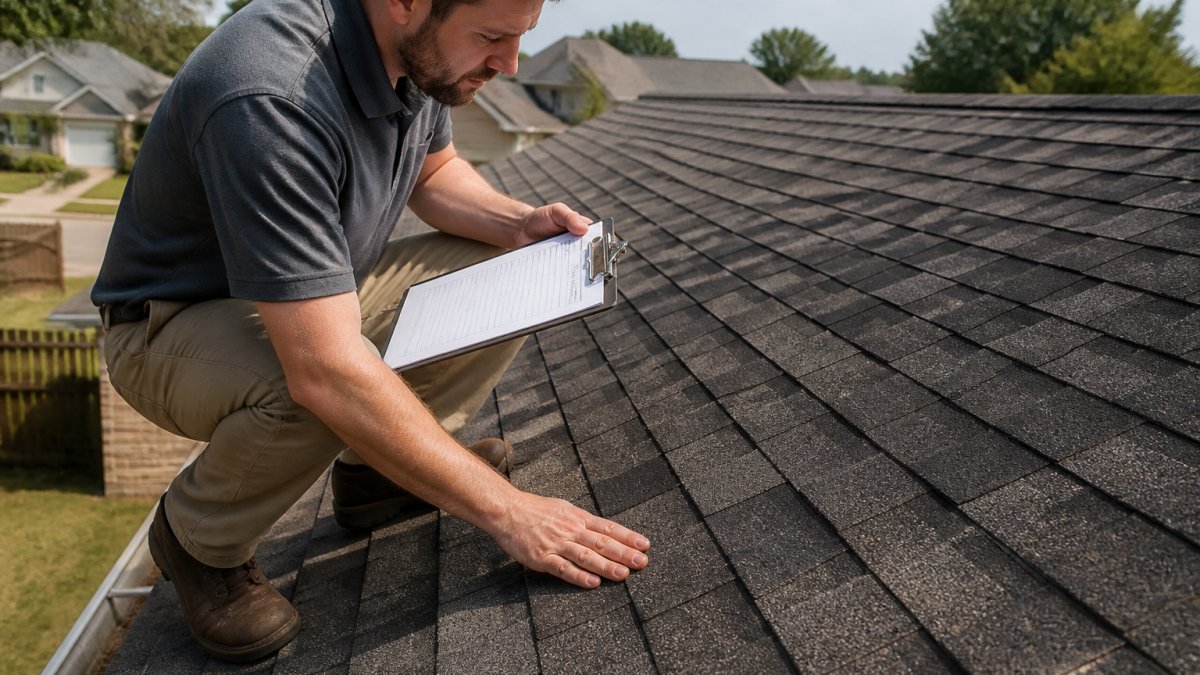
A thorough roof inspection checks shingles for missing pieces, cracks, or curling. It examines flashing around chimneys, vents, and skylights for gaps or separation. The inspector looks for water stains on the underside of the roof (visible from the attic) that indicate leaks.
Professional inspectors also evaluate the overall condition of your roof. They note the age of the shingles, signs of wear, and whether previous repairs were done correctly. This broader assessment helps determine whether patching makes sense or whether replacement would be more cost-effective long-term.
When A-Group Capital Roofing performs an emergency roof inspection, we provide a detailed written report with photos. This report becomes part of your insurance claim documentation and helps you understand your roof's condition beyond just the storm damage.
Roof Repair Versus Roof Replacement
Deciding between repair and replacement depends on damage extent, roof age, and long-term value.
Signs you need a full replacement
If damage affects more than 30 percent of your roof, replacement often makes more financial sense than repair.
Roof age matters significantly. If your shingles are already 15-20 years old and storm damage occurs, replacement is often the better choice. Repair extends a roof that's already near the end of its lifespan.
Multiple leaks in different areas, widespread missing shingles, or structural damage to the roof deck all point toward replacement. When repairs would cost 50 percent or more of replacement cost, replacement becomes the smarter investment.
Your insurance claim may cover replacement if damage is extensive enough. Work with your adjuster and contractor to evaluate whether repair or replacement makes sense for your specific situation.
Getting Professional Emergency Roof Repair
When you're ready to move forward, choosing the right contractor matters. You need someone who understands insurance claims, works quickly, and stands behind their work.
Same-day response and 24/7 availability
True emergency roof repair services respond the same day you call. This matters because every hour of delay increases water damage risk. When you contact A-Group Capital Roofing with emergency roof repair needs, we prioritize your call and work to schedule an inspection and assessment within hours, not days.
We understand that damage doesn't happen during business hours.
This rapid response protects your home and strengthens your insurance position. The sooner you have professional documentation of damage, the faster your claim moves forward.
What to expect from your contractor
Your contractor should provide a free inspection and written estimate. They should explain what they're recommending and why. They should answer your questions about materials, timeline, and costs clearly.
A reputable contractor carries full insurance, including liability and workers' compensation. They provide a warranty on their work, typically two years on labor, longer on materials depending on what's installed (Resources). They pull required permits and ensure work meets building codes.
A-Group Capital Roofing handles the entire process from inspection through completion. We document damage thoroughly for your insurance claim. We communicate with your adjuster directly. We source quality materials and complete work with experienced crews. We provide a two-year workmanship warranty and final project documentation.
Frequently Asked Questions
What does emergency roof repair service include?
Professional emergency roof repair includes immediate damage assessment, temporary protection (such as tarping to prevent water intrusion), detailed documentation for insurance claims, and repair or replacement work. Services typically involve roof inspection to identify all damage, emergency response within hours, water mitigation, and coordination with insurance adjusters. A qualified contractor will secure your home first, then work with you on permanent repairs or replacement options.
How much does emergency roof repair cost?
Emergency roof repair pricing depends on damage extent, roof size, materials needed, and whether temporary tarping or full repairs are required. Factors affecting cost include labor urgency, accessibility, and weather conditions. Rather than estimate, contact a local contractor for a same-day assessment and free estimate. Many providers offer transparent pricing breakdowns so you understand what you're paying for before work begins.
Will homeowners insurance cover emergency roof repairs?
Most homeowners insurance policies cover roof damage from storms, hail, and wind, though coverage depends on your specific policy and the cause of damage. File your claim immediately after damage occurs, document everything with photos, and request an insurance adjuster inspection. A qualified roofing contractor can help prepare damage documentation and communicate with your insurer about covered repairs versus out-of-pocket costs.
How do I do a temporary roof repair myself?
For minor leaks, you can apply roofing cement or temporary patches as a short-term fix, but avoid climbing on a damaged roof during or after storms. Safer options include placing buckets under leaks indoors and tarping visible holes from ground level if accessible. For significant damage, water intrusion, or structural concerns, wait for professional help. Professional emergency tarping protects your home better and prevents further damage while permanent repairs are arranged.
When your roof is damaged, time is your enemy. Water damage spreads quickly, and every day without protection increases the risk to your home. A-Group Capital Roofing provides same-day emergency roof repair assessment and rapid response to protect your property. Call (682) 219-9933 for immediate assistance. We'll inspect your damage, explain your options, and help you navigate the insurance claim process with expertise and transparency.