 blog
Roof Inspection Cost: What to Expect in 2026
Table of Contents
- Roof Inspection Cost: What Homeowners Pay
- Factors That Affect Roof Inspection Cost
- Visual Inspection Versus Comprehensive Assessment
- Roof Inspection Checklist: What Gets Assessed
- Roof Inspection Report Example and Deliverables
- Roof Inspection Duration: How Long Does It Take?
- Roof Inspection After Storm: Damage Assessment Costs
- Are Inspection Fees Credited Toward Repairs or Replacement?
- Frequently Asked Questions
Last Updated: October 11, 2026
Roof Inspection Cost: What Homeowners Pay
A roof inspection cost typically ranges based on several factors, but understanding what you'll pay helps you budget appropriately and recognize fair pricing in your area.
A professional examines your roof's surface, structural components, flashing, gutters, and interior signs of water damage or leaks. What you pay depends on your home's size, roof complexity, and inspection type.
When comparing roof inspection cost quotes, you're paying for expertise, tools, experience, and a detailed report documenting findings and recommendations.
Factors That Affect Roof Inspection Cost
Several variables influence roof inspection cost: roof size, pitch, accessibility, material type, and inspection method. Understanding these helps you evaluate quotes fairly.
Roof Size and Square Footage
Larger roofs take longer to inspect, which directly affects roof inspection cost. A 1,500-square-foot home typically costs less to inspect than a 4,000-square-foot property. Multiple levels or complex geometry increase the roof inspection cost due to additional time and problem areas to document.
Roof Pitch and Accessibility
Steep-pitch roofs require specialized equipment and increase roof inspection cost. Roofs requiring mobile lifts or specialized climbing gear cost more than those accessible by ladder. This explains why quotes vary between similar-sized homes in the same area.
Roofing Material and Roof Condition
Metal, tile, slate, or cedar shake roofs demand more specialized knowledge than asphalt shingles, increasing roof inspection cost. Roofs in poor condition with extensive wear or missing shingles require more detailed assessment, also raising the cost.
Inspection Type and Method
A visual inspection covers basics; comprehensive assessment includes interior attic inspection, moisture detection, and thermal imaging, increasing roof inspection cost. Choose visual inspection for routine maintenance, comprehensive assessment for pre-purchase inspections or insurance claims.
Visual Inspection Versus Comprehensive Assessment
Visual inspection identifies obvious damage and costs less; comprehensive assessment includes attic inspection and moisture detection, catching hidden leaks and structural issues. Choose visual for routine maintenance, comprehensive for pre-purchase inspections or insurance claims.
Roof Inspection Checklist: What Gets Assessed
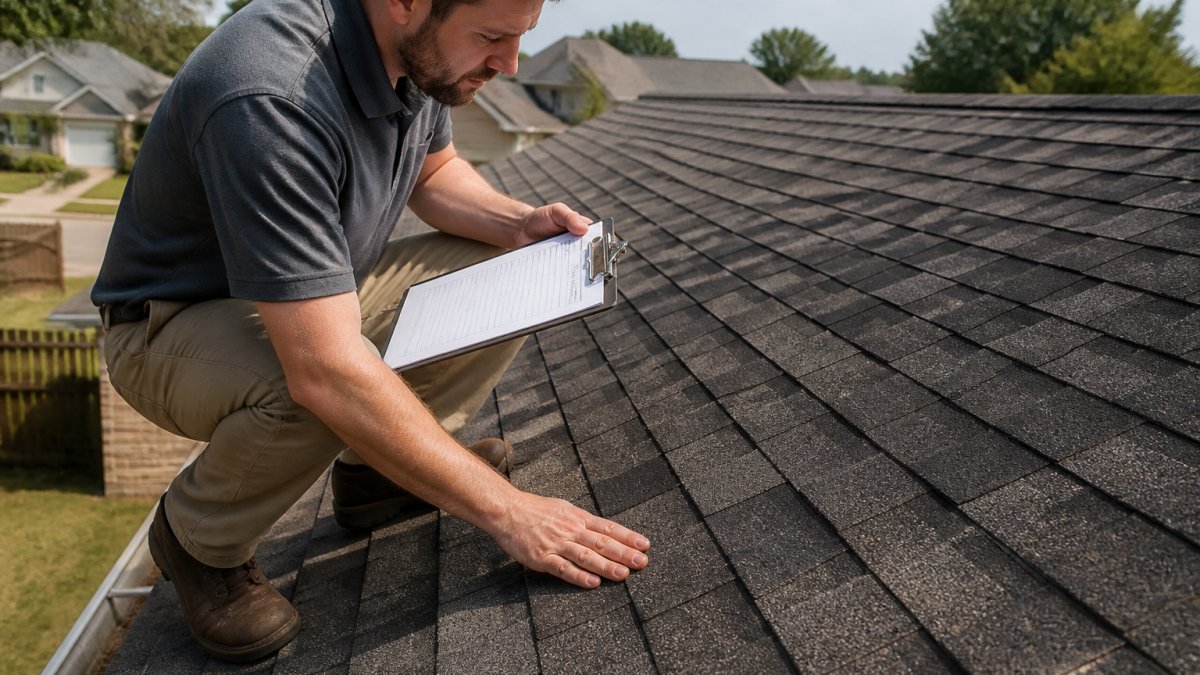
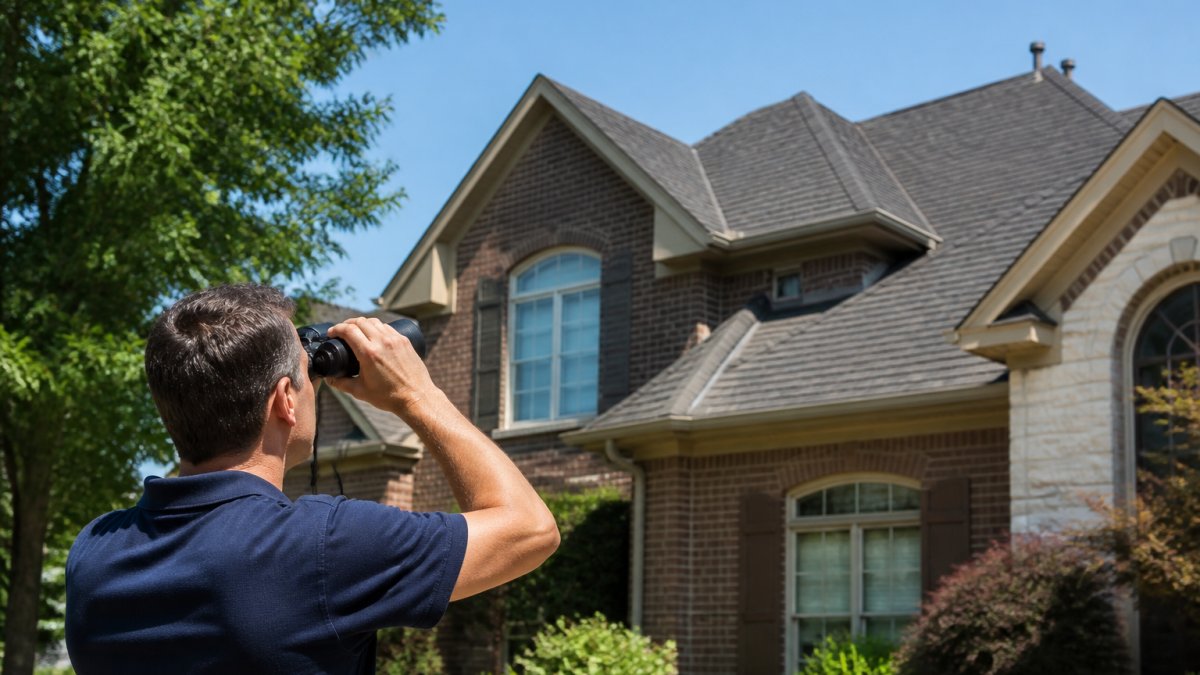
Inspectors examine roof surface condition, flashing around chimneys and vents, gutters, roof slope, and attic for water intrusion or moisture damage. They document roof age, remaining lifespan, and prior repairs. A complete roof inspection cost reflects this thorough evaluation.
Roof Inspection Report Example and Deliverables
After your roof inspection, you should receive a detailed written report. A good roof inspection cost includes a comprehensive report you can understand and act on.
What a Complete Roof Inspection Report Should Include
A professional roof inspection report should contain the following elements:
Photographs with annotations. The report must include dated, labeled photos identifying location and issue (e.g., "Missing shingles on east slope, 12 o'clock position from chimney"). Without photos, you lack documentation for insurance claims or contractor quotes.
Roof age and remaining useful life. The inspector should state approximate age and estimate remaining lifespan in years, helping you plan for replacement and understand urgency.
Condition ratings by area or component. Reputable inspectors use a rating system ("Good," "Fair," "Poor," or numerical scale) for roof surface, flashing, gutters, and structural elements, preventing vague language.
Specific findings and locations. The report should list defects by location with extent (isolated vs. widespread) and severity, not vague descriptions.
Repair recommendations with priority levels. A good report categorizes findings as Critical/Urgent (immediate action needed), Moderate (within 6-12 months), or Minor/Maintenance (routine upkeep). Without prioritization, homeowners don't know whether to act now or wait.
Estimated repair costs (if applicable). Some inspectors provide ballpark repair estimates; others refer you to contractors. If estimates are included, they should be clearly labeled as rough guidance, not binding quotes.
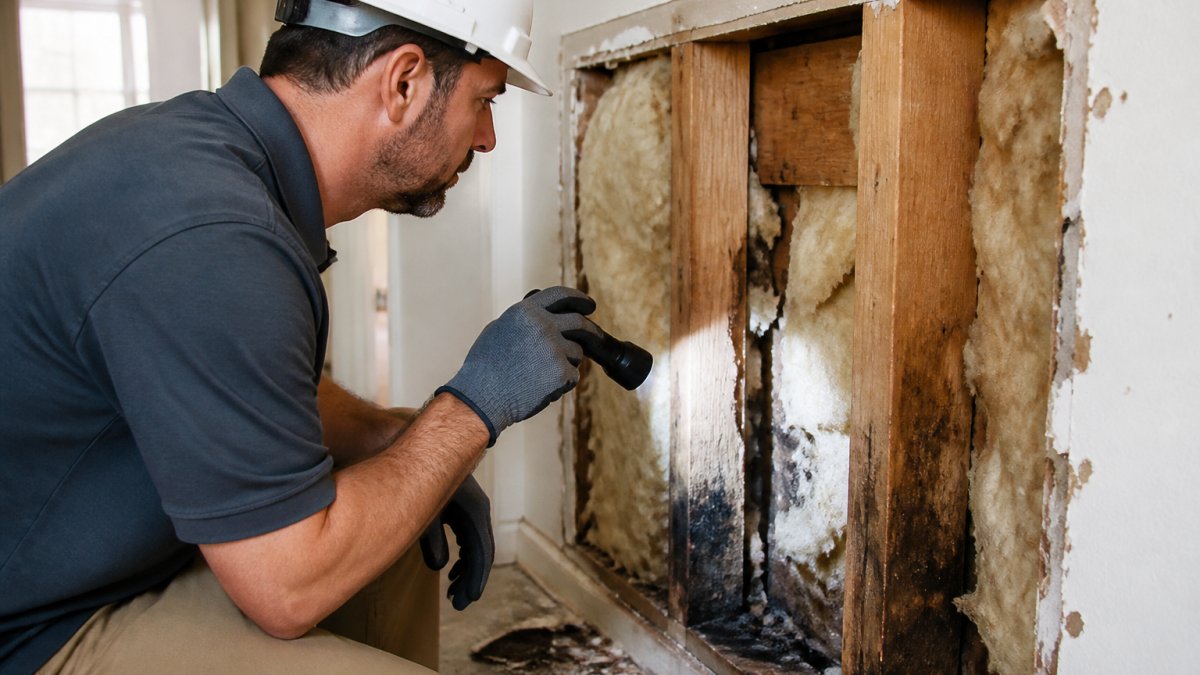
Attic and interior findings. If the inspection includes attic access, the report should document ventilation, insulation condition, signs of water staining or mold, and structural integrity. This is often where hidden damage appears.
Red Flags: What Should NOT Be in Your Report
- Vague language. "Roof looks okay" or "some wear" is not acceptable. Findings must be specific and measurable.
- No photos. A text-only report is incomplete and unusable for insurance claims or contractor bids.
- Pressure to hire the inspector for repairs. If the report aggressively recommends the same company for repairs, that's a sales document, not an objective assessment.
- Missing scope statement. The report should state what was and was not inspected (e.g., "Interior attic not accessed due to blocked hatch").
- No condition ratings. Findings should use consistent terminology so you can compare severity across issues.
How to Compare Reports from Multiple Inspectors
If you obtain reports from two or three inspectors, compare them side by side:
- Do they identify the same major issues?
- Do condition ratings align (e.g., do they all rate flashing as "Fair" or "Poor")?
- Do repair recommendations match in priority?
- Are photos clear and specific?
If reports diverge significantly on critical findings, a third opinion may be warranted. Minor differences in condition ratings are normal; major disagreements suggest one inspector may be inexperienced or biased toward selling repairs.
Roof Inspection Duration: How Long Does It Take?
A typical roof inspection takes 1 to 2 hours for most residential homes. Larger homes, complex roofs, or properties with accessibility challenges may take 2 to 3 hours. This timeframe is reflected in your roof inspection cost.
The inspection duration depends on roof size, pitch, condition, and whether the inspector is doing visual assessment only or comprehensive evaluation with thermal imaging. Don't be concerned if an inspection takes longer than expected: thorough work takes time. A rushed inspection that finishes in 30 minutes is likely incomplete.
Roof Inspection After Storm: Damage Assessment Costs
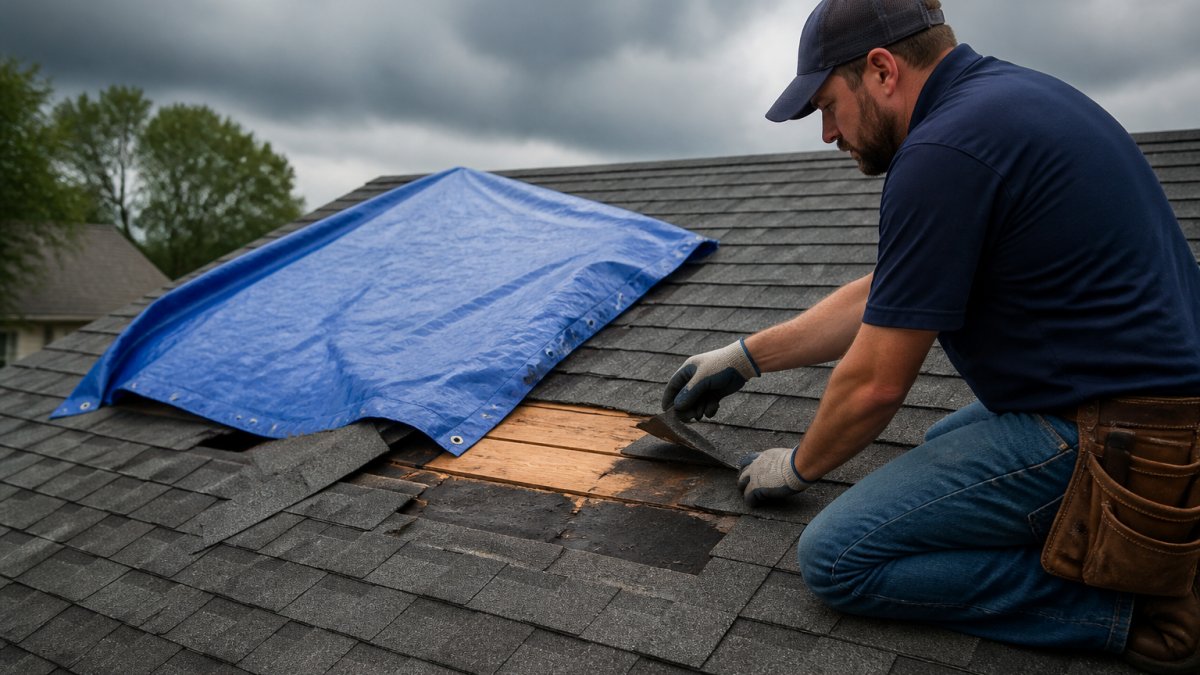
After severe weather, wind, or hail, a roof inspection becomes urgent. A roof inspection cost for storm damage assessment may be higher than routine inspection because the work is more detailed and time-sensitive.
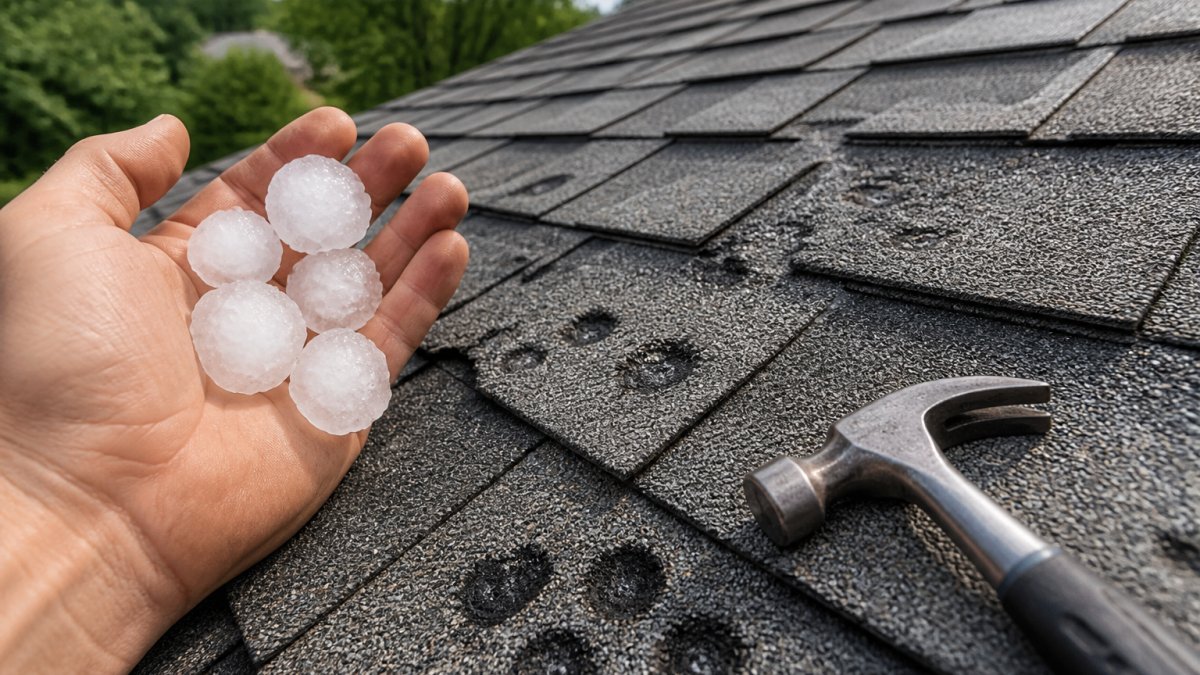
Storm damage inspections document hail strikes, missing shingles, bent flashing, and structural damage caused by wind. This documentation is critical for insurance claims. Insurers require detailed assessment to approve coverage and determine payout amounts.
Many homeowners delay storm damage inspection, thinking they'll handle it later. That's a mistake. Insurance companies expect timely reporting. The roof inspection cost for storm assessment is an investment in protecting your insurance claim.
Are Inspection Fees Credited Toward Repairs or Replacement?
Inspection fee crediting policies vary widely and directly affect your true cost. Understanding these terms upfront prevents surprises and helps you compare offers fairly.
Common Fee Crediting Models
Full credit. Some contractors credit 100% of the inspection fee toward repair or replacement work if you hire them. This is common among larger roofing companies and is often used as a competitive incentive. If you don't proceed with repairs, you pay the full inspection fee.
Partial credit. Others credit a percentage, typically 25% to 50%, of the inspection fee. For example, a $300 inspection might credit $75-$150 toward work. This is a middle ground: the contractor recovers part of the inspection cost while offering you an incentive to hire them.
No credit. Some inspectors charge separately for inspection and do not credit the fee toward any subsequent work. This model is more common among independent inspectors or third-party inspection services that do not perform repairs. The advantage is clearer objectivity; the disadvantage is you pay full price for the inspection regardless of outcome.
Conditional credit. A few contractors credit the fee only if you hire them within a certain timeframe (e.g., 30 days) or if the inspection reveals damage above a threshold (e.g., repairs exceeding $500). Read the fine print carefully.
How to Evaluate Fee Terms
When requesting a roof inspection cost quote, ask these specific questions:
- What is the inspection fee, and is it credited toward work? Get the answer in writing.
- If credited, what percentage and under what conditions? (e.g., "100% credited if you hire us for repairs within 30 days of inspection")
- If not credited, why not? Independent inspectors may explain that separation of inspection and repair services ensures impartiality.
- What if you don't hire them for repairs? Confirm you still receive the full written report and photos.
- Are there additional charges for the report, photos, or expedited delivery? Some contractors bundle these; others charge separately.
Inspection Versus Sales Visit: How to Tell the Difference
A legitimate inspection focuses on documenting condition. A sales visit disguises itself as an inspection but aims to pressure you into repairs or replacement. Here's how to distinguish them:
Legitimate inspection:
- Inspector spends time examining the roof systematically and documenting findings.
- Report is detailed, specific, and includes photos and condition ratings.
- Inspector explains findings neutrally and answers your questions without urgency.
- If repairs are recommended, the inspector explains why and provides options (repair now, monitor, or defer).
- You receive the report in writing, typically within 24-48 hours.
- The inspector does not pressure you to decide on the spot.
Sales visit disguised as inspection:
- Inspector rushes through the roof in 20-30 minutes, then immediately discusses pricing for repairs or replacement.
- Findings are vague or exaggerated ("Your roof is failing" without specifics).
- Inspector creates artificial urgency ("If you don't replace this roof, you'll have a leak by winter").
- Report is minimal, verbal, or missing photos and condition ratings.
- Inspector quotes repair or replacement pricing during the visit and offers "today-only" discounts.
- You're pressured to sign a contract or deposit before leaving.
Negotiating Inspection Fees
Inspection fees are sometimes negotiable, especially if you're obtaining multiple quotes or if the roof is unusually large or complex.
- Bundle inspections. If you need both roof and general home inspection (for a purchase), ask if the inspector offers a combined rate.
- Ask about fee waivers for repairs. Many contractors waive the inspection fee entirely if you hire them for work above a certain threshold (e.g., $2,000+). This is worth asking about.
- Compare apples to apples. Don't choose an inspector solely because they're cheapest. A $150 inspection that produces a vague report is worse than a $300 inspection with detailed photos and condition ratings.
- Clarify scope before agreeing to price. If your roof is exceptionally steep, large, or has limited access, confirm the inspector understands this and has factored it into the fee. A low quote that becomes higher after the inspector arrives is frustrating.
When Inspection Fees Matter Most
Fee crediting is less important if you're certain you'll hire the contractor for repairs. It matters more if you're shopping around or if you suspect you may not need work done. In those cases, choosing an inspector with a clear, upfront fee policy and no pressure to hire them for repairs protects your interests.
Frequently Asked Questions
How much does a roof inspection cost?
Roof inspection cost depends on your roof size, complexity, and the type of inspection. Visual inspections typically cost less than comprehensive assessments that include thermal imaging or drone evaluation. Factors like roof pitch, accessibility, and your location also influence the final price. Contact a local contractor for a specific quote based on your home's characteristics.
What factors affect the cost of a roof inspection?
Several factors drive roof inspection cost: square footage and roof size, roof pitch and slope affecting accessibility, roofing material type, overall roof condition, inspection method (visual versus thermal imaging), and regional labor rates. Homes with complex roof designs, multiple stories, or difficult access typically cost more to inspect. Storm damage assessments may carry additional fees depending on the extent of evaluation needed.
Is a roof inspection free when you get a repair estimate?
Some contractors offer free initial inspections as part of their estimate process, while others charge a separate inspection fee. If damage is confirmed and you proceed with repairs or replacement, many contractors will credit the inspection fee toward your project cost. Always clarify whether an inspection fee applies and whether it will be credited before scheduling. This protects you from unexpected charges.
How long does a roof inspection take?
A typical visual roof inspection takes 30 minutes to 2 hours depending on roof size, pitch, and accessibility. Comprehensive inspections with thermal imaging or drone assessment may take longer. Inspectors need time to examine shingles, flashing, gutters, and structural elements for leaks, water damage, and wear. Larger homes or roofs with complex designs require additional time. Your contractor should provide a time estimate when scheduling.