 blog
Signs of Hail Damage on Roof: What to Look For in 2026
Table of Contents
- Signs of Hail Damage on Roof: What You Need to Know
- How to Identify Hail Damage on Shingles
- Asphalt Shingles: Granule Loss, Impact Marks, and Bruising
- Metal Roofing: Dents, Chipped Paint, and Seam Damage
- Tile Roofing: Cracks, Chips, and Broken Corners
- Wood Shingles and Shakes: Splits, Dents, and Fresh Fractures
- Flat and Low-Slope Roofing: Punctures, Splits, and Membrane Damage
- What the Signs Mean Together
- Hail Damage vs Other Roof Damage: Telling Them Apart
- Hail Damage Roof Inspection Checklist
- How to Document Roof Hail Damage
- Filing a Hail Damage Roof Insurance Claim
- Frequently Asked Questions
Last Updated: October 10, 2026
Signs of Hail Damage on Roof: What You Need to Know
Hail damage is one of the most common reasons homeowners file insurance claims, yet it's also one of the easiest problems to overlook until a small issue becomes a major leak. According to the Insurance Information Institute, hail storms cause billions of dollars in property damage across the country every year, and roofs take the hardest hit. At A-Group Capital Roofing, we've inspected roofs across Fort Worth and the surrounding counties after major storms, and the pattern is always the same: the damage that matters most is rarely the damage you can see from the driveway.
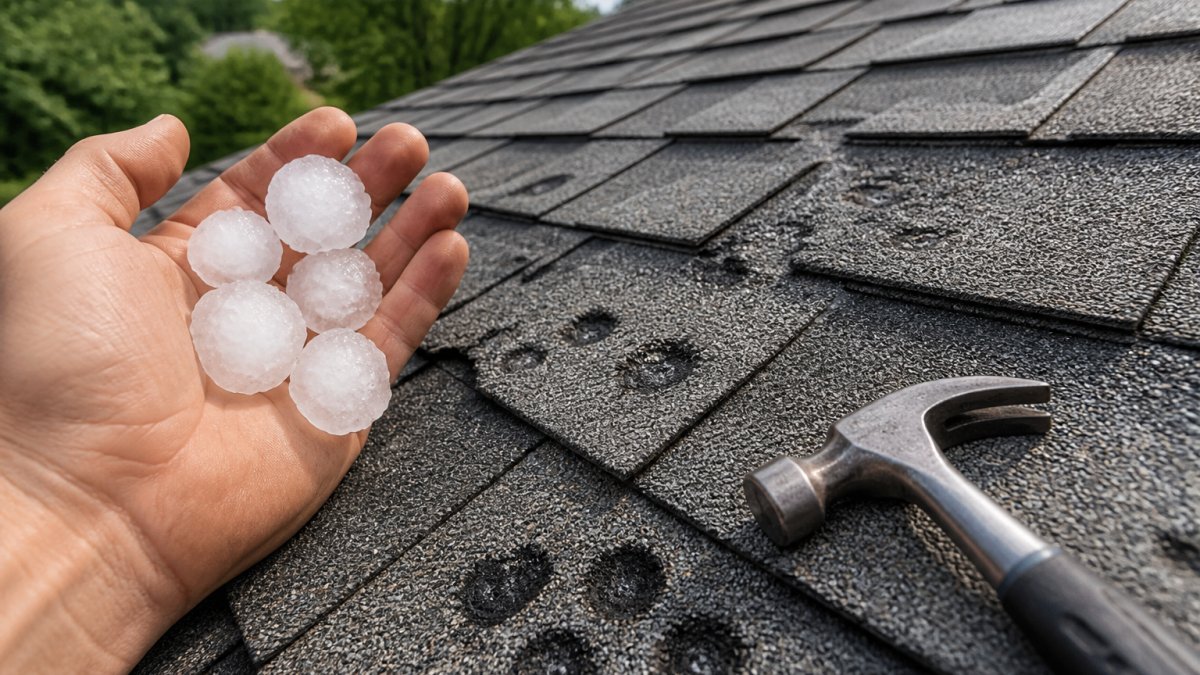
Signs of hail damage on roof surfaces include granule loss, dark circular impact marks, bruised or soft shingles, cracks, and dented metal components. These signs often appear in random patterns across a slope, not in the neat lines that wind damage leaves behind.
That randomness is your first clue: hail falls where it falls, while wind pushes in one direction. Below, we'll cover what to look for, how to tell hail damage apart from other problems, and how to document everything before calling your insurer.
Why Hail Damage Is Easy to Miss
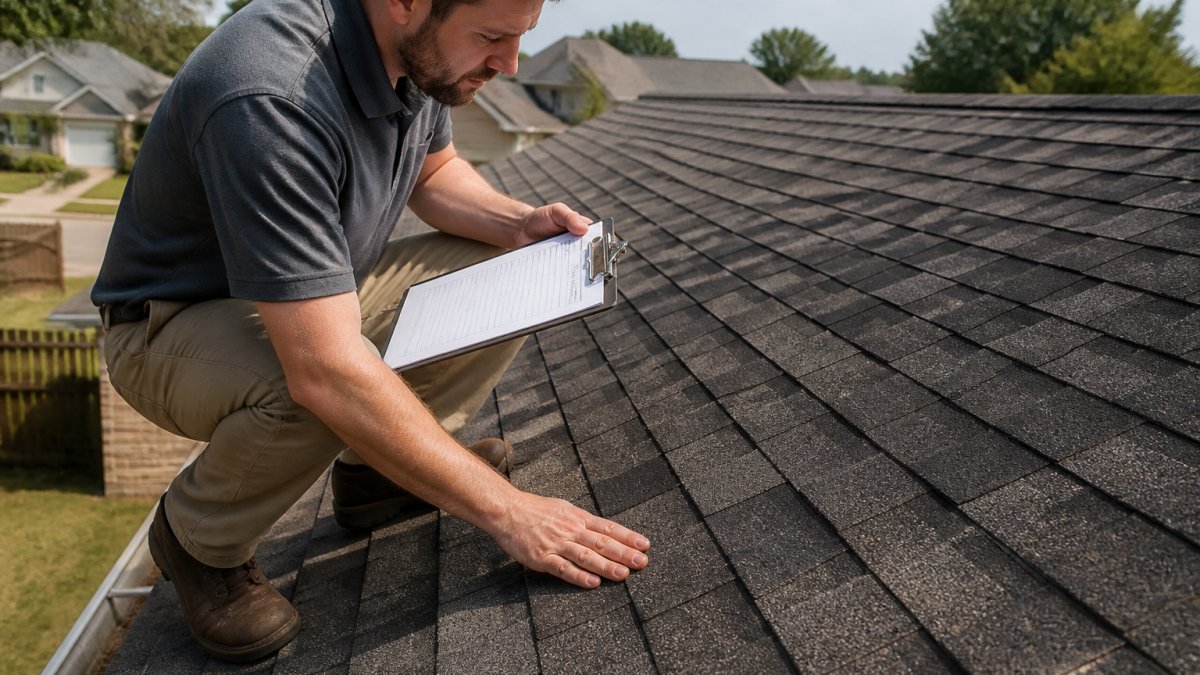
Hail damage rarely looks dramatic from the ground. A struck shingle may look intact from ten feet away, but up close the impact has knocked granules loose and weakened the mat underneath. Many homeowners assume no missing shingles means they're fine, rarely true. The most expensive hail damage is invisible without getting on the roof, which is why professional inspections matter.
When to Inspect After a Storm
Check your roof as soon as it's safe after any storm producing hail larger than a pea, even small hailstones, driven by wind, can damage older shingles. Start with a ground-level check of gutters, downspouts, and metal surfaces; if you see dents or granule buildup, call a professional.
How to Identify Hail Damage on Shingles
Hail doesn't damage every roofing material the same way. A mark that means nothing on a metal panel can be serious on asphalt, and a tile that looks intact from the ground can be fractured underneath.
Asphalt Shingles: Granule Loss, Impact Marks, and Bruising
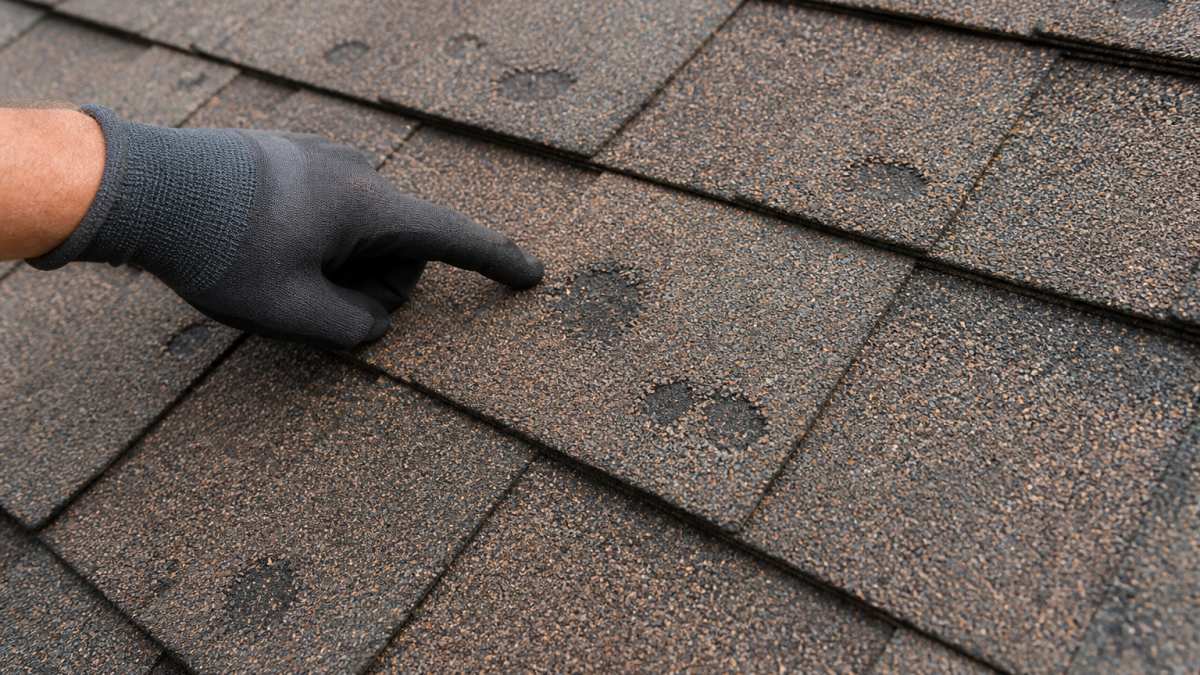
Asphalt shingles are the most common roofing material and the most vulnerable to hail.
Granule loss is the most common sign.
Circular impact marks are the signature of hail damage.
Shingle bruising happens when impact compresses the mat without breaking the surface.
Cracked, split, and missing shingles are the end stage. Cracks often start at an impact point and spread outward.
Metal Roofing: Dents, Chipped Paint, and Seam Damage
Metal roofing tells you the truth about a storm more clearly than any other material: hail leaves dents, easy to see on a smooth panel, especially on storm-facing slopes. Look for dents on panels, chipped or flaking paint at impact points, and damage along seams and fasteners. Cosmetic dents often don't affect performance, but dents that deform a seam or loosen a fastener can open a path for water, the cosmetic-versus-functional distinction an adjuster will evaluate.
Tile Roofing: Cracks, Chips, and Broken Corners
Tile is brittle, so hail damage tends to be more visible than on asphalt, but also more deceptive. A hailstone can crack a tile without breaking it apart, and the crack may not be obvious from the ground. Look for chips and fractures along exposed edges, cracked corners, and shifted tiles. Because tile is installed in overlapping courses, a single cracked tile can let water reach the underlayment and deck below.
Wood Shingles and Shakes: Splits, Dents, and Fresh Fractures
Wood shakes and shingles show hail damage as fresh splits, dents, and fractures with sharp, clean edges. The key word is fresh: older damage weathers and grays, while new hail damage exposes lighter wood underneath. Look for splits running with the grain, dents where the hailstone struck, and loose pieces of wood. Wood is softer than tile, so hail that would shatter tile may only dent wood, but repeated impacts can still break the waterproof layer.
Flat and Low-Slope Roofing: Punctures, Splits, and Membrane Damage
Flat and low-slope roofs, common on garages, additions, and commercial buildings, use membranes like modified bitumen, EPDM, or TPO. Hail damage shows up as punctures, splits, and bruised or fractured membrane areas. Because flat roofs hold water rather than shedding it, even a small puncture can cause ponding and slow leaks. Look for circular impact marks, splits at seam edges, and soft or displaced membrane.
What the Signs Mean Together
No single mark proves hail damage. What matters is the pattern across the whole roof: random impact marks on the storm-facing slope, fresh granule loss in the gutters, dents on metal components, and matching damage on neighboring roofs. When those signs line up, the case for hail is strong; when they don't, the marks are more likely aging, foot traffic, or a manufacturing issue.
Hail Damage vs Other Roof Damage: Telling Them Apart
Most marks homeowners worry about after a storm aren't hail damage at all. Aging, wind, foot traffic, and manufacturing defects all leave marks that look like impact damage from ten feet away, and adjusters are trained to tell them apart. Misreading the cause is the fastest way to sink a claim, so understand each pattern before you photograph anything.
Here's how to separate them:
| Damage Type | What It Looks Like | How It Forms | Common Location |
|---|---|---|---|
| Hail damage | Random circular marks, granule loss, soft or bruised spots | Direct impact compresses the mat and knocks granules loose | Slopes facing the storm direction |
| Wind damage | Missing, lifted, or creased shingles; torn edges | Suction and uplift pull shingles off the sealant strip | Edges, ridges, corners, gable ends |
| Blistering | Raised bubbles with pitted or popped centers | Trapped moisture or a manufacturing defect pushes the asphalt up | Sun-exposed slopes, often in clusters |
| Foot traffic | Scuffed, worn, or linear patches | Abrasion from shoes and equipment | Walkways, valleys, ridge lines, near vents |
| Normal aging | Uniform granule loss, curling edges, brittleness | Years of UV and thermal cycling | Entire roof, worst on south- and west-facing slopes |
| Manufacturing defects | Consistent marks in a repeating pattern | Flaws introduced at the plant | Often one bundle or one slope |
Hail Damage vs Wind Damage
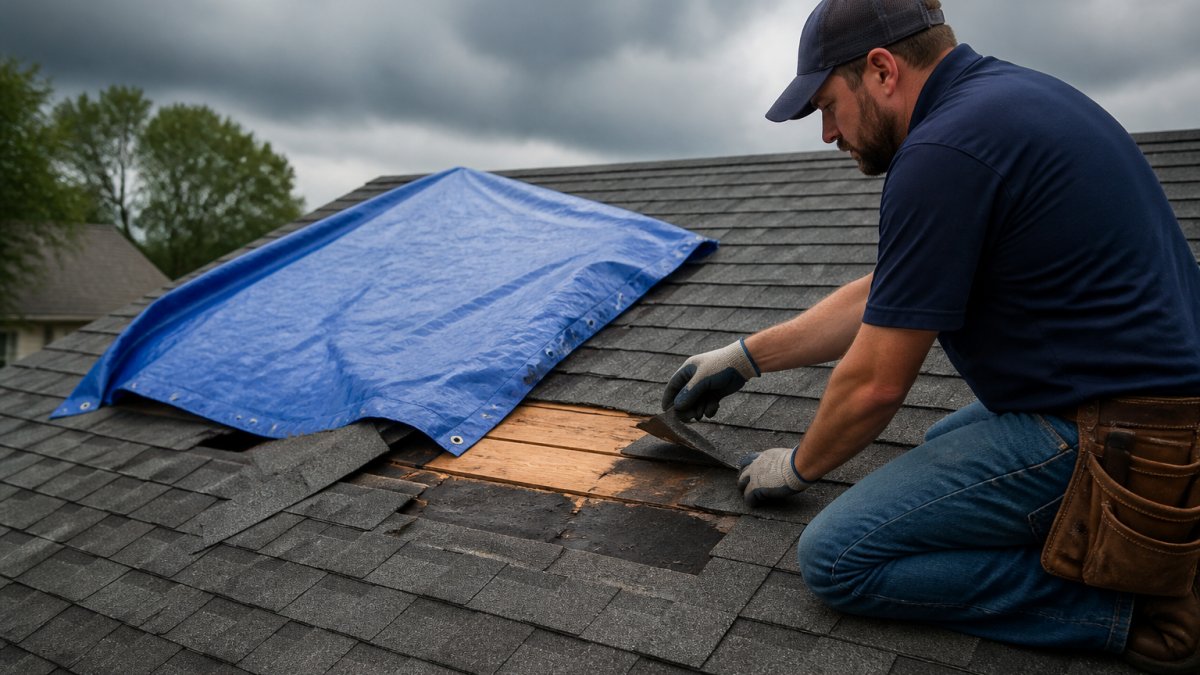
Wind and hail behave in opposite ways. Wind lifts and tears shingles off the deck; hail strikes them in place. Missing shingles following wind direction, usually along ridges, rakes, and gable ends, means wind. Random spots scattered across a slope mean hail. Many storms produce both, which complicates claims: a roof can lose shingles to wind and take hail impacts on remaining slopes in the same event.
Hail Damage vs Blistering and Manufacturing Defects
Blistering is the most common hail look-alike: moisture trapped in the shingle, or a manufacturing flaw, pushes the asphalt up into a bubble, and when it pops, it leaves a pitted center that reads as an impact mark from a distance. The tell is the pattern. Blisters cluster on sun-exposed slopes with shallow pits and raised edges; hail impacts are deeper, more random, and often leave a softer, bruised feel.
Hail Damage vs Foot Traffic and Normal Aging
Foot traffic leaves scuffs, worn patches, and linear marks along the paths people actually walk, valleys, ridge lines, and areas around vents and chimneys. Hail doesn't care where anyone walked; it marks every surface the storm reached. Normal aging is the easiest to confuse with hail because both involve granule loss, but the difference is distribution: aging loss is uniform and worst on sun-facing slopes, while hail loss is patchy, concentrated on the storm-facing slope, and often accompanied by fresh granules in gutters.
If you're not sure whether the marks on your roof are hail damage or something else, don't guess. Insurance adjusters are trained to spot the difference, and a wrong diagnosis from you can hurt your claim. Have a professional document the damage before you file.
Why the Distinction Matters for Your Claim
Insurance policies treat these causes very differently. Sudden storm damage is typically covered; wear and tear, aging, and manufacturing defects usually are not. If an adjuster decides the marks are blisters or foot traffic rather than hail, the claim can be denied even when real hail damage exists elsewhere on the same roof. That's why documentation must show the pattern, not just individual marks: one dark spot proves little, but randomly scattered impact marks across a storm-facing slope, paired with fresh granules in gutters and dents on metal vents, tells a story an adjuster can act on.
Hail Damage Roof Inspection Checklist
A hail damage roof inspection checklist helps you capture the full picture before calling your insurance company.
- Asphalt shingles: look for granule loss, dark patches, and bare spots
- Shingle surfaces: check for circular impact marks and soft, bruised spots
- Shingle edges: look for cracks, splits, and missing pieces
What to Check Beyond the Shingles
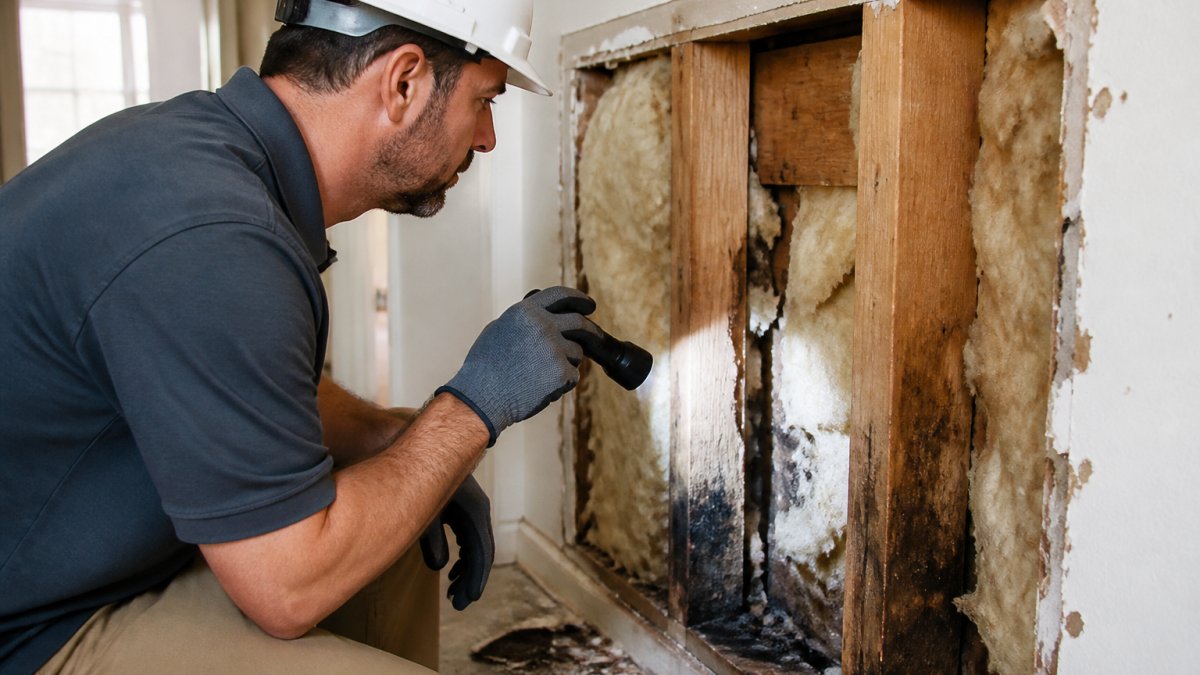
Hail doesn't just hit shingles, it dents metal vents, damages flashing, and beats up gutters and downspouts, often the easiest signs to spot since metal shows dents clearly. Check your attic for water intrusion too: interior stains mean damage has reached inside, a strong signal the roof needs more than a patch.
How to Document Roof Hail Damage
Documenting roof hail damage properly is the difference between a smooth claim and a fight. Insurance companies want proof: clear photos, dates, and a record of what happened.
- Take wide photos of each roof slope before you zoom in
- Photograph every impact mark, bruise, and crack up close
- Include a ruler or coin in close-up shots to show scale
Randomly distributed damage across a slope is one of the strongest signals to an adjuster that the cause is hail. Photograph the pattern, not just individual marks.
The strongest hail damage claims combine three things: clear photos, a documented storm date, and evidence of damage across multiple roof components. Missing any one of these weakens your claim.
Filing a Hail Damage Roof Insurance Claim
Filing a hail damage roof insurance claim starts with a professional inspection and a clear damage report. Most policies cover sudden storm damage, but not wear and tear or damage you can't tie to a specific storm.
- Get a professional roof inspection and written report
- Review your policy to confirm storm damage coverage
- File the claim with your insurance company
- Meet the adjuster on-site with your documentation
- Review the settlement offer carefully
- Complete repairs with a licensed contractor
What Not to Say to an Adjuster
Adjusters are trained to look for reasons to reduce or deny claims. A few phrases can hurt you, even when you mean well.
- Don't say "It's probably been like that for a while." That signals wear and tear, not storm damage.
- Don't say "I'm not sure when it happened." Storm date matters for coverage.
- Don't say "I think it might be hail." Let the documentation speak.
If your claim gets denied or underpaid, a contractor experienced with insurance claims can review the adjuster's report and help you push back with better documentation.
Hail damage doesn't wait, and neither should you.
Frequently Asked Questions
Can hail damage a roof without causing a leak?
Yes. Hail can bruise shingles, knock off granules, and expose the shingle mat without creating an immediate leak. The damage weakens the shingle's protective surface, which can lead to leaks months or years later as the exposed area degrades. This is why a professional roof inspection matters even when you see no water inside. Catching granule loss and soft spots early can prevent interior water stains and costly repairs down the road.
What does hail damage look like on a roof?
Look for dark, circular impact marks, granule loss that leaves bare spots, and shingles that feel soft or spongy when pressed. You may also see cracked or split shingles, dents on metal vents and flashing, and dented gutters or downspouts. Damage is usually randomly distributed across the roof rather than in a single pattern. If you spot several of these signs after a storm, schedule a professional inspection to confirm the cause and extent.
Can insurance adjusters tell how old hail damage is?
Adjusters use several clues to estimate timing, including the color of exposed shingle mat, the amount of granule loss, and whether damage appears fresh or weathered. They also compare your roof to neighboring roofs and check the storm date against weather records. This is why documenting roof hail damage promptly after a storm matters. Photos with timestamps, a written inspection checklist, and a professional assessment help establish that the damage is recent and tied to a specific storm event.
What should I avoid saying to a roof insurance adjuster?
Avoid speculating about the cause, age, or cost of the damage. Don't say the roof is 'old anyway' or guess that damage 'might be' from an earlier storm. Stick to facts: the storm date, what you observed, and your documentation. Let a qualified roofing professional handle the technical assessment. If you're unsure how to present your hail damage roof insurance claim, having a contractor who understands the process can help you avoid statements that unintentionally weaken your claim.