 How-to
How to Prevent Water Damage From Roof Leaks at Home
Quick Summary
To prevent water damage from roof leaks, act within the first day: shut off power to the affected room, move belongings, place a bucket under the drip, and photograph the damage. Then call a roofing professional, since mold and rot can begin within a day or two once water reaches ceiling drywall or insulation.
- Turn off power at the breaker if water is near lights or outlets.
- Photograph and video the damage before cleaning, since insurance claims depend on it.
- Mold can start within 24 to 48 hours in damp, poorly ventilated areas.
- Do not walk on a ceiling that shows bulging, sagging, or cracks.
- Schedule a roof inspection once a year and after any severe storm.
Table of Contents
- Why Roof Leaks Cause Water Damage So Quickly
- Immediate Steps to Take When a Roof Starts Leaking
- How to Fix a Leaking Roof From the Inside Temporarily
- Preventing Roof Leaks in Heavy Rain and Storms
- Drying Out Wet Areas and Checking for Hidden Moisture
- What Roof Water Damage Repair Typically Involves
- Building a Permanent Solution for Roof Leakage
- Scheduling Your Roof Inspection With A-Group Capital Roofing
- Frequently Asked Questions
Roof leaks can turn a small drip into thousands of dollars in damage within hours. Knowing what to do before, during, and after a leak is the difference between a minor repair and a costly restoration.
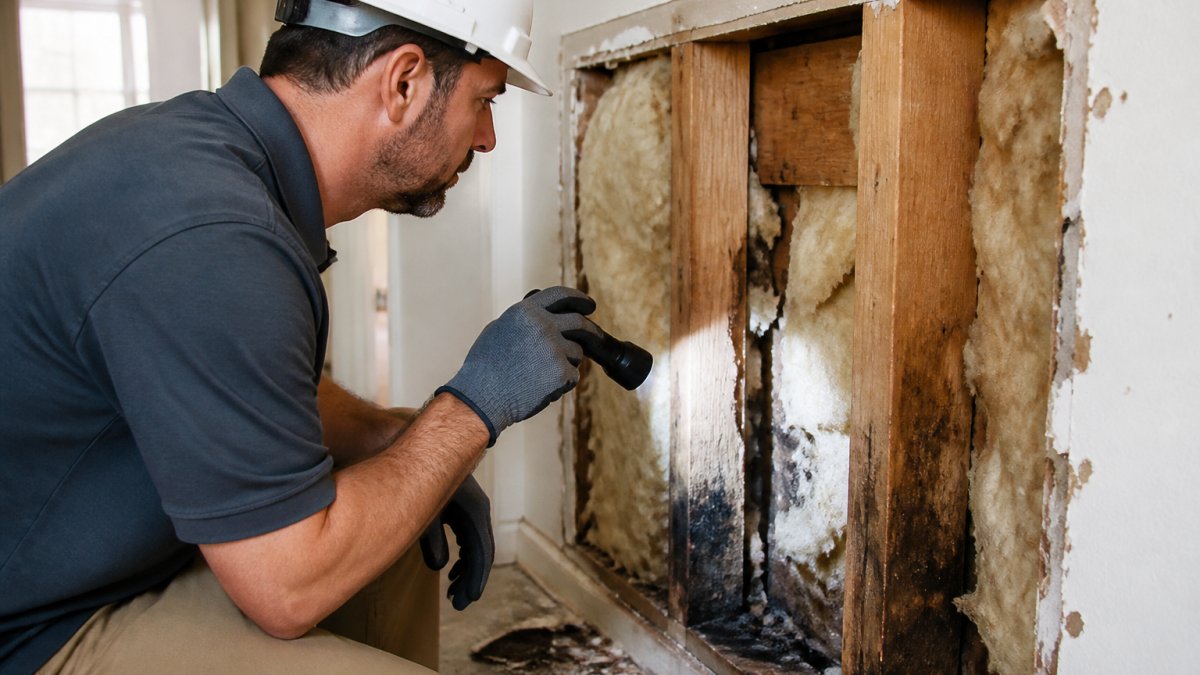
Water moves fast through a house. Once it reaches the ceiling drywall, insulation, or flooring, mold and rot can begin within a day or two.
Why Roof Leaks Cause Water Damage So Quickly
Roof leaks cause damage quickly because water follows the path of least resistance. It runs along rafters, soaks into attic insulation, and then drops through ceiling joists. By the time you see a stain, water has often spread well beyond that spot.
Several factors speed up the damage:
- Insulation holds water. Wet insulation loses its effectiveness and stays damp for days.
- Drywall weakens fast. Ceiling board can sag, crack, or fall once it absorbs enough water.
- Warm air speeds mold growth. Mold can start within 24 to 48 hours in damp, poorly ventilated areas (the EPA).
Acting within the first day makes a large difference. Quick containment limits how far water travels.
Immediate Steps to Take When a Roof Starts Leaking
When you first spot a leak, act right away. Follow these steps in order:
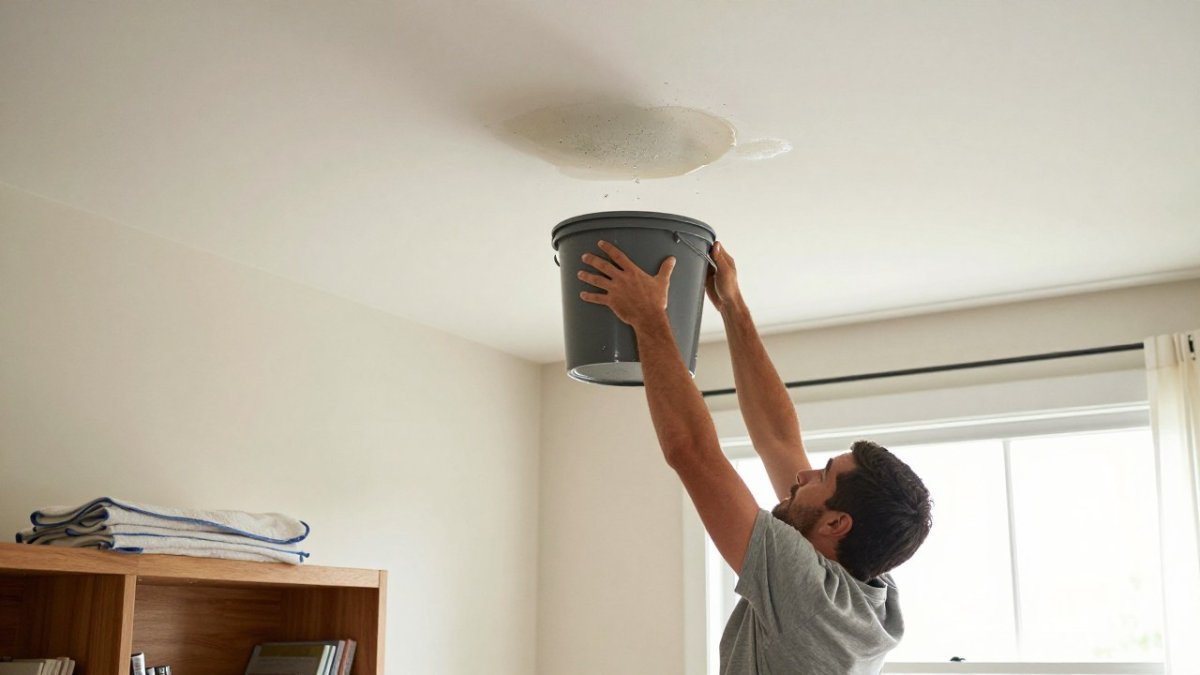
- Turn off electricity to the affected room at the breaker if water is near lights or outlets.
- Move valuables out of the path of the water.
- Place a bucket or bin under the drip to catch water.
- Take photos and video of the damage before you clean anything up. Your insurance claim depends on this record.
- Check the attic if you can do so safely, looking for wet insulation or dripping rafters.
- Call a roofing professional to schedule an inspection.
Watch out: do not walk on a ceiling that shows bulging, sagging, or cracks. Collapsed drywall can injure you and hide wiring hazards.
The first steps to take when a leak appears, in order:
| Step | What to do | Timing or note |
|---|---|---|
| Turn off electricity | Shut off power to the affected room at the breaker | If water is near lights or outlets |
| Move valuables | Move items out of the water's path | Before water spreads |
| Place a bucket | Set a bucket or bin under the drip | Catches falling water |
| Document damage | Take photos and video before cleaning | Needed for insurance claims |
| Check the attic | Look for wet insulation or dripping rafters | Only if it is safe |
| Call a professional | Schedule a roofing inspection | Do this promptly |
How to Fix a Leaking Roof From the Inside Temporarily
A temporary fix from inside the home buys time until a roofer can make a permanent repair. It does not replace roof work. Keep these fixes simple and safe.
Protecting Furniture, Electronics and Belongings
Move everything you can out of the wet zone. Furniture, rugs, and electronics can soak up water quickly, and standing moisture ruins them within a day.
- Pull furniture at least several feet away from the leak.
- Lift rugs and place them on a dry, hard surface.
- Unplug electronics and move them to a dry room.
Containing Water With Buckets and Drip Barriers
Containing water keeps it from spreading across floors and into other rooms.
- Use buckets, storage bins, or large pots to catch dripping water.
- Lay a tarp or heavy plastic on the floor beneath the leak.
- Empty containers often so they do not overflow.
A common mistake is using only a single small bucket for a leak that spreads across the ceiling. Check the ceiling for new wet spots and add containers as needed.
Preventing Roof Leaks in Heavy Rain and Storms
Storms create the greatest risk for roof leaks. Wind can lift shingles, hail can crack them, and driving rain can push water past flashing that stayed dry in lighter weather. The goal is to reduce exposure before the storm and to respond safely while it is still active.
Before Storm Season
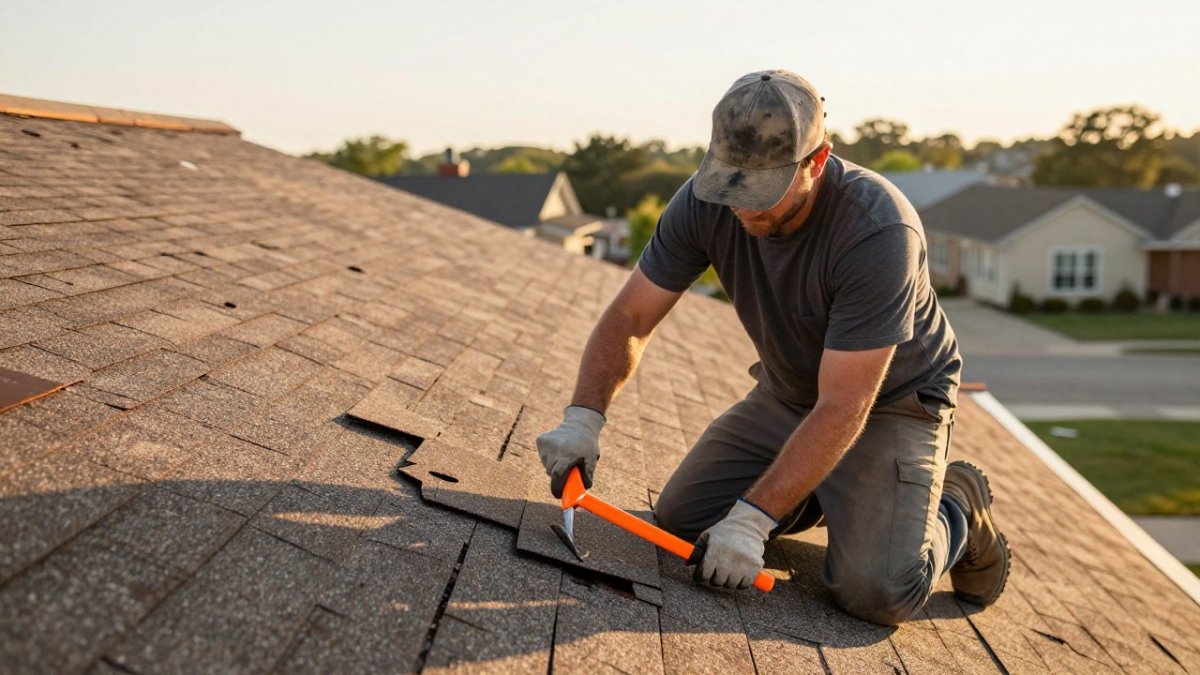
- Inspect shingles for missing, cracked, or curled pieces, and replace them before the next system arrives.
- Clear gutters and downspouts so water drains away from the roof edge instead of backing up under the shingles.
- Trim overhanging branches that can scrape shingles or drop debris onto the roof during wind.
During an Active Storm: What to Do Indoors
When a leak starts while the storm is still going, the priority is to limit interior damage without putting yourself at risk. Work through this sequence:
- Keep everyone off the roof. Wet shingles, wind, and lightning make roof access dangerous, and most falls happen during exactly this kind of weather. Do not climb up to look for the source.
- Turn off power at the breaker to any room where water is near lights, outlets, or ceiling fixtures. If you cannot reach the breaker safely, stay out of the room and call an electrician.
- Contain the water indoors. Place buckets, bins, or pots under active drips, and lay plastic sheeting or a tarp on the floor beneath the leak.
- Move belongings out of the wet zone. Pull furniture, rugs, and electronics away from the drip path, and lift items off the floor onto a dry surface.
- Document as you go. Take photos and video of the leak, the wet areas, and any damaged belongings before you clean up. Insurers expect a record of the loss as it happened.
- Do not puncture a sagging ceiling. A bulging ceiling may be holding a pocket of water. Poking a hole can release it suddenly and bring down drywall; instead, keep people out from under it and place a container beneath the bulge.
- Call a roofing professional once conditions are safe enough for someone to inspect the roof.
Watch out: a ceiling that is bulging, sagging, or cracked can collapse without warning, so keep furniture and people out from under it until a professional has assessed it.
After the Storm
Once the weather clears, walk the yard and look for shingles, flashing pieces, or granules on the ground. Schedule an inspection if you see missing or lifted shingles, dented vents, or new ceiling stains. Catching storm damage early is far cheaper than repairing the water damage it causes later.
Why This Sequence Matters
Most storm-related water damage comes from two mistakes: climbing onto a wet roof and waiting too long to contain the water indoors. A homeowner who stays off the roof, shuts off power where needed, contains the drip, and documents the damage has already limited the loss before a roofer arrives. The permanent repair can wait for safe conditions; the interior response cannot.
Drying Out Wet Areas and Checking for Hidden Moisture
Drying matters as much as stopping the leak. Water hidden in walls or insulation can cause mold and rot for months after the drip stops, and a surface that feels dry to the touch can still be wet inside. The goal is to dry the structure, verify it is dry, and prevent mold from taking hold.
Start Drying Immediately
- Run fans and dehumidifiers to move air across wet areas. Airflow alone helps, but a dehumidifier is what actually pulls moisture out of the air so the structure can release it.
- Open windows when outdoor humidity is low to help air circulate. Skip this when it is humid or raining outside, since open windows can add moisture rather than remove it.
- Remove wet materials such as soaked insulation or ceiling board that cannot be dried in place. Wet insulation loses its effectiveness and stays damp for days, so replacing it is often faster than trying to dry it.
Checking for Hidden Moisture
Surface dryness is not proof the structure is dry. Water travels along rafters and joists, so the visible stain is often not where the moisture is.
- Check the attic for damp insulation, dark or stained rafters, and condensation on the underside of the roof deck.
- Use a moisture meter on drywall, wood framing, and subfloor to confirm readings are back to normal before you close up walls or repaint. A moisture meter is one of the most reliable ways to know a cavity is dry.
- Look for secondary signs such as bubbling paint, soft drywall, a musty smell, or a ceiling that feels cool or damp to the touch.
When to Bring In Professional Drying
Some situations are beyond fans and a dehumidifier. Call a water-damage professional if:
- Water has soaked into wall cavities, flooring, or a large area of insulation.
- The musty smell persists after several days of drying.
- A moisture meter still reads high after a week of airflow.
Preventing Mold After a Leak
Mold can begin within 24 to 48 hours in damp, poorly ventilated areas, so mold prevention starts the same day as the leak.
- Wear a mask and gloves when handling wet materials, and keep anyone with asthma or breathing problems out of the area until it is fully dry.
- Dry within the first 24 to 48 hours where possible; the faster materials dry, the less chance mold has to establish.
- Remove and bag wet porous materials such as drywall, insulation, and carpet padding rather than letting them sit.
Watch out: painting or sealing over a damp ceiling or wall traps moisture and can let mold grow behind the new finish, so confirm dryness with a meter before any repair or repaint.
What Roof Water Damage Repair Typically Involves
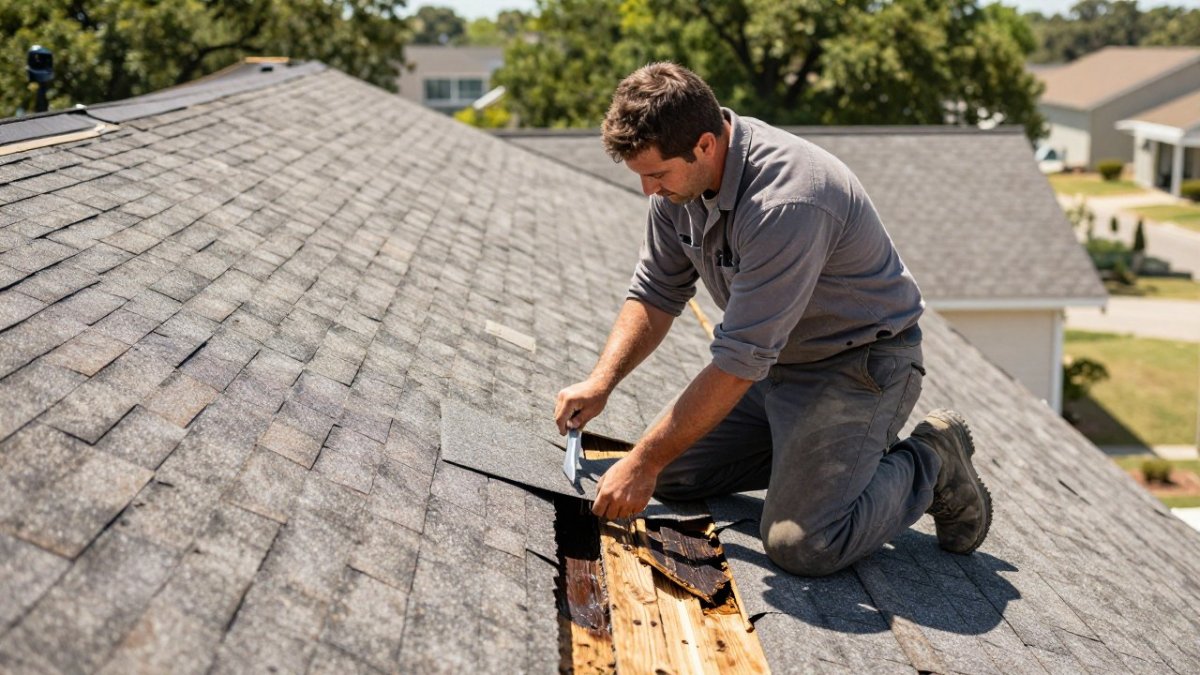
Repair work depends on how far water traveled. A small leak may only need a shingle replacement and some drywall patching. Larger leaks can require new insulation, replaced framing, and new flooring or paint.
A typical repair includes:
- Finding the exact source of the leak
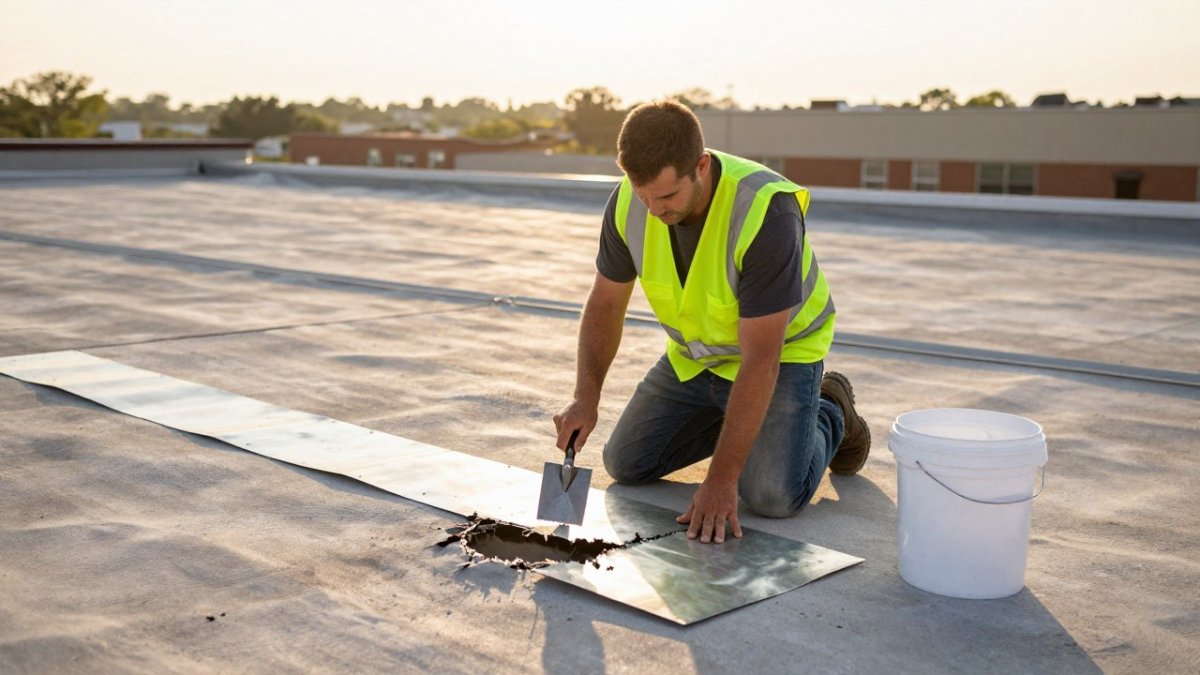
- Replacing damaged shingles, flashing, or underlayment
- Removing and replacing wet insulation
The cost of roof water damage repair varies widely based on the size of the affected area, the materials involved, and local labor rates. A licensed roofer can give you a written estimate after an inspection.
Building a Permanent Solution for Roof Leakage
Temporary fixes stop the immediate damage, but only a permanent repair stops the leak for good. The right choice depends on the roof's age, condition, and the extent of the damage.
Many homeowners ask whether a repair is enough or whether a full replacement makes more sense. For a closer look at that decision, see our guide on roof replacement options: repair or replace?
Regular maintenance also helps prevent future leaks. Schedule an inspection once a year and after any severe storm.
Scheduling Your Roof Inspection With A-Group Capital Roofing
A professional inspection finds problems before they become expensive. A-Group Capital Roofing offers roof inspections, storm damage assessments, and help understanding the insurance claim process.
Call (682) 219-9933 for a free same-day estimate and get your roof checked before the next storm arrives.
Roof leaks are preventable when you act quickly, contain the water, and fix the source. A-Group Capital Roofing is here to help North Texas homeowners protect their homes from water damage.
Frequently Asked Questions
How long can a roof leak before it causes damage?
Even a small roof leak can start damaging materials within a day or two. Wet drywall can sag and stain within hours, while wood framing, insulation and subflooring can begin to rot or grow mold within days if they stay wet. Water that soaks into the attic can spread far from the entry point, so hidden damage often grows longer than visible damage. If you notice a leak, contain it immediately and schedule a roof inspection as soon as possible to limit the cost and extent of repairs.
Does homeowners insurance cover water damage from a roof leak?
Many homeowners policies cover sudden water damage from a roof leak, such as damage caused by a storm that tears off shingles, but they often exclude damage from long-term wear, neglect or lack of maintenance. Coverage depends on your specific policy, deductible and the cause of the leak. Document the damage with photos and dated notes, keep receipts for emergency repairs, and report the claim promptly. A-Group Capital Roofing can help document storm damage and assist with the insurance restoration process.
How can you stop a roof leak during heavy rain?
During heavy rain, stay off a wet roof for safety and focus on interior containment. Place buckets or bins under the drip, move furniture and electronics out of the path of water, and lay towels or plastic sheeting to protect floors. If you can safely access the roof from the outside after the storm passes, a tarp secured with roofing screws or sandbags can reduce further water entry. Call a roofing professional for permanent repairs once conditions are safe.
What is the best permanent solution for a leaking roof?
A permanent solution depends on the cause. Repairs may include replacing damaged shingles, resealing flashing around chimneys, vents and skylights, or repairing the roof deck. When the roof is aging or damage is widespread, a full replacement may be more cost-effective than repeated patches. Regular inspections, prompt repairs after storms, and keeping gutters clear help prevent the leak from returning. A professional inspection is the best way to identify the right permanent fix for your home.